
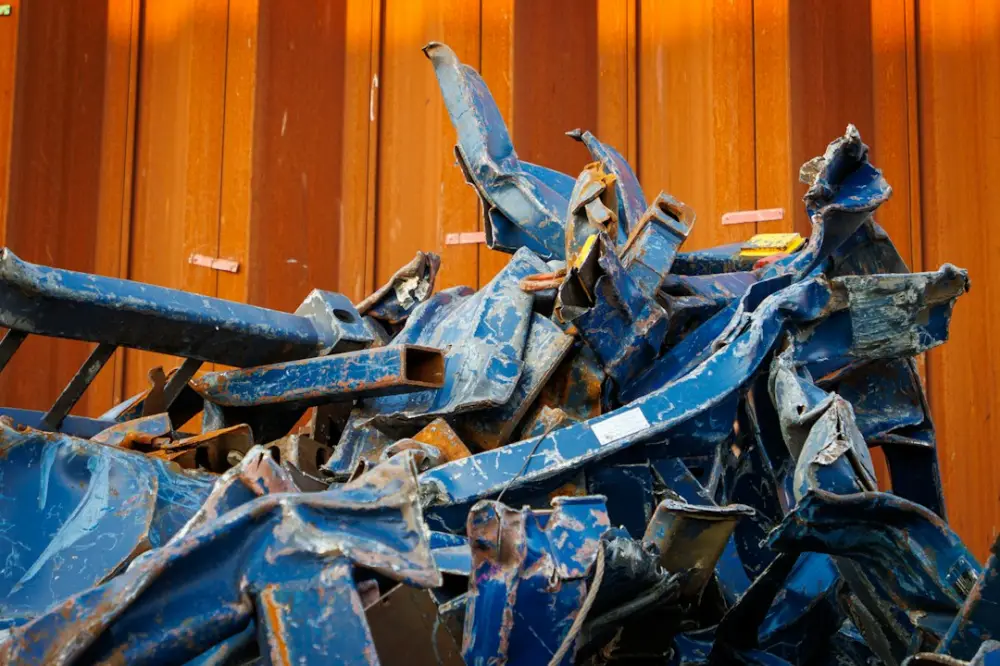
Scrap sorting is the systematic categorization of waste materials like polymers and metals to facilitate efficient recycling. Filament recovery specifically refers to reclaiming 3D printing scrap, such as failed prints and support structures, and transforming it back into usable printing material. Together, these methods minimize environmental waste and promote sustainable manufacturing in 2026.
Managing waste in a 3D design workflow requires moving beyond just discarding failed attempts. By organizing scrap by polymer type and color, designers can maintain material purity, which is essential for high-quality extrusion during the recovery process. This practical approach ensures that waste becomes a valuable feedstock rather than a landfill contribution.
Defining Scrap Sorting and Filament Recovery
In the context of 2026 additive manufacturing, scrap sorting is the first line of defense against material degradation. It involves more than just putting plastic in a bin; it is the process of isolating specific resins—such as PLA, PETG, or ABS—to ensure that the chemical properties of the recycled material remain consistent. Contamination is the primary reason recovered filament fails. For instance, a small amount of PETG mixed into a batch of PLA can ruin the entire melt because the two materials have significantly different processing temperatures.
Filament recovery is the mechanical and thermal process of turning that sorted scrap back into a spool. This involves a multi-stage workflow: cleaning, shredding, drying, and extruding. For designers, this means viewing every support structure and brim as a resource. Rather than seeing a failed 10-hour print as a loss, it is viewed as a volume of raw material that requires reprocessing. According to the Environmental Protection Agency, proper sorting is the most critical step in ensuring any material—polymer or metal—can be successfully reintroduced into the production cycle.
Key Steps in the Material Recovery Process
The transition from a pile of plastic scrap to a usable spool involves several technical hurdles. The first step is granulation. Industrial shredders or small-scale desktop granulators break down large printed parts into small, uniform flakes. Uniformity is vital because inconsistent flake sizes lead to uneven melting in the extruder, which results in filament with a varying diameter. A diameter variation of more than 0.05mm can cause extrusion issues in most modern 3D printers.
After shredding, the material must be decontaminated and dried. Most 3D printing polymers are hygroscopic, meaning they absorb moisture from the air. In a recovery workflow, scrap often sits in open bins for weeks, absorbing humidity. If this moisture is not removed using a dedicated filament dryer or a vacuum oven before extrusion, the resulting filament will have internal bubbles and poor layer adhesion. This is particularly true for technical materials like Nylon or polycarbonate.
The final step is extrusion and spooling. The dried flakes are fed into a single-screw extruder that melts the plastic and forces it through a nozzle. High-end recovery setups use a puller system and a laser micrometer to monitor the filament thickness in real-time, adjusting the pull speed to maintain a perfect 1.75mm or 2.85mm diameter. Adding a small percentage of "virgin" resin—new, unprocessed pellets—can help stabilize the molecular chains that break down during the initial printing and subsequent reheating.
How to Start Recovering 3D Printer Filament
For a small studio or an independent designer, starting a recovery program begins with a simple bin system. Labeling bins by material type and color is the most effective way to prevent cross-contamination. You should also implement failed-print post-mortems for designers to understand why the waste was generated in the first place. This helps distinguish between waste caused by design errors and waste that is an inherent part of the process, such as supports.
Investing in a desktop filament maker, such as a Filastruder or a specialized recycling station, allows for localized recovery. While the initial cost can be high, the long-term savings on material costs—especially for expensive engineering-grade polymers—make it a viable strategy. Additionally, following practical steps for 3D print waste reduction ensures that you are not just recycling waste, but actively minimizing its creation. This includes optimizing slicer settings to use thinner walls or more efficient infill patterns like gyroid, which provide strength while using less material.
It is also helpful to consult resources like the ASTM International standards for plastics to understand the thermal properties of the materials you are working with. Knowing the glass transition temperature and the melting point of your specific scrap batch prevents overheating the material during the recovery phase, which preserves the polymer's integrity for more print cycles.
Metal Recycling Resources in Indianapolis
While polymer recovery is often handled in-house, metal scrap from 3D printing—such as stainless steel or titanium supports from DMLS (Direct Metal Laser Sintering) processes—usually requires professional handling. In Indianapolis, designers and fabricators have access to several industrial recycling centers that specialize in high-grade scrap. Facilities like OmniSource or Ray’s Trash Service provide dedicated bins for metal chips and failed metal prints. These facilities are equipped to handle the specific alloys used in additive manufacturing, ensuring that the metal is melted down and reused in industrial supply chains.
For those working in the downtown or near-westside areas, local scrap yards like Zore’s Recycling offer a straightforward way to manage aluminum and copper scrap. When taking material to these facilities, it is beneficial to have the material safety data sheets (MSDS) or technical data sheets (TDS) for the alloys used. This helps the recyclers categorize the metal accurately, which often results in a higher rebate for the designer and ensures the material is processed using the correct metallurgical methods. Proper sorting of metal supports from general shop waste is essential to prevent the contamination of high-value alloys with common steel.
Accessing Our Recent Posts and Recycling Archives
Building a sustainable workflow is an iterative process that benefits from documented experience and technical research. Reviewing historical data on material failure and recovery success rates allows designers to refine their approach to scrap management. By maintaining an archive of previous projects and their associated waste profiles, you can identify patterns in material usage that might otherwise go unnoticed. This data-driven approach is a hallmark of modern, waste-conscious design thinking.
The goal of these efforts is to create a closed-loop system where the physical output of the design process remains within the production cycle for as long as possible. Whether you are managing a single desktop printer or a fleet of industrial machines, the principles of scrap sorting and filament recovery remain the same: purity, consistency, and documentation. At CleanGreen 3D, we focus on providing the technical clarity needed to bridge the gap between digital design and physical sustainability. By integrating these recovery basics into your daily routine, you contribute to a more resilient and efficient manufacturing ecosystem that respects both the material and the environment.