
Reusable support structures for 3D printing
Reusable support structures in 3D printing are non-disposable mechanical aids or modular components used to stabilize overhanging geometries during the…
Read article
Sustainable 3D Innovation
Practical ideas for greener 3D workflows—from intentional design thinking to drawings and materials that keep scrap out of the landfill.
Explore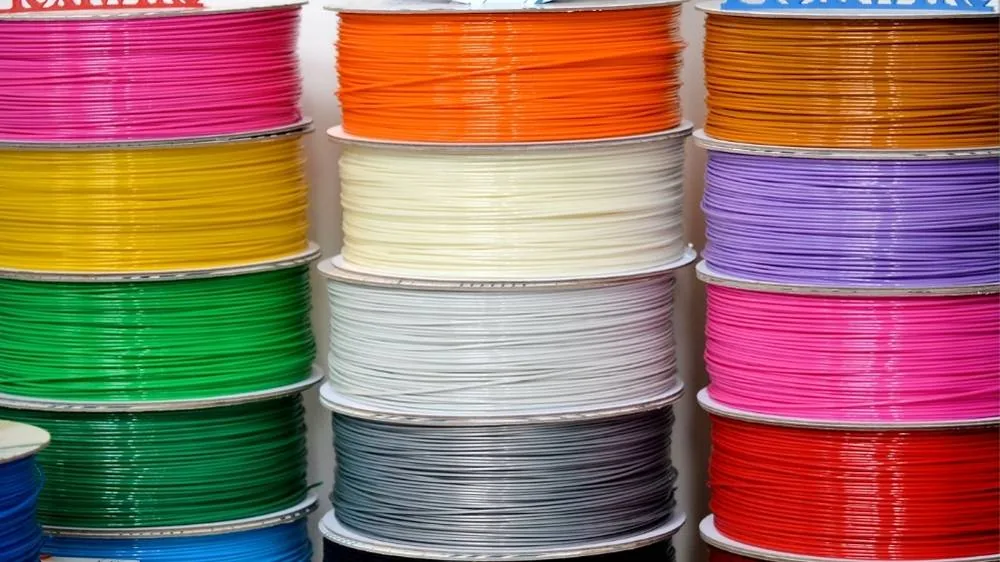
Intent first
Explore why sustainability in 3D design starts with design thinking—intentional planning and empathy reduce waste long before the first prototype ships.
Measure twice
Discover how high-precision technical drawing minimizes physical material waste in 3D design, bridging digital accuracy and real-world sustainability.
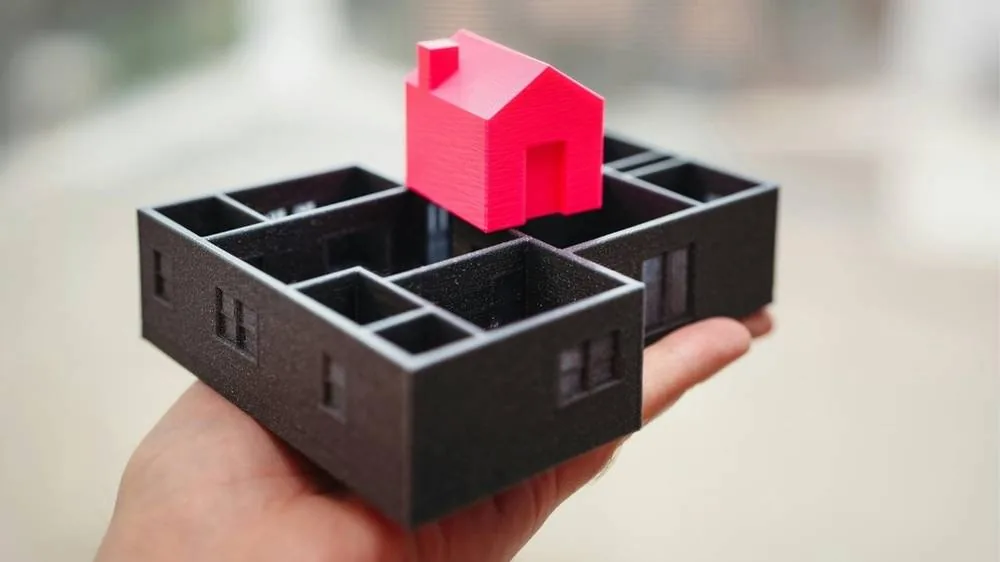
Workflow habits
Whether you visualize architecture, products, or digital environments, efficient modeling habits mean fewer failed prints and less energy spent reworking files.
Explains how reusable support structures function in 3D fabrication. Covers mechanical struts, modular jigs, and methods to minimize single-use material waste.
“The greenest print is the one you never had to re-run—accuracy and intent beat bigger spools every time.”
Journal
Recent articles from CleanGreen 3D.
Reusable support structures in 3D printing are non-disposable mechanical aids or modular components used to stabilize overhanging geometries during the…
Read article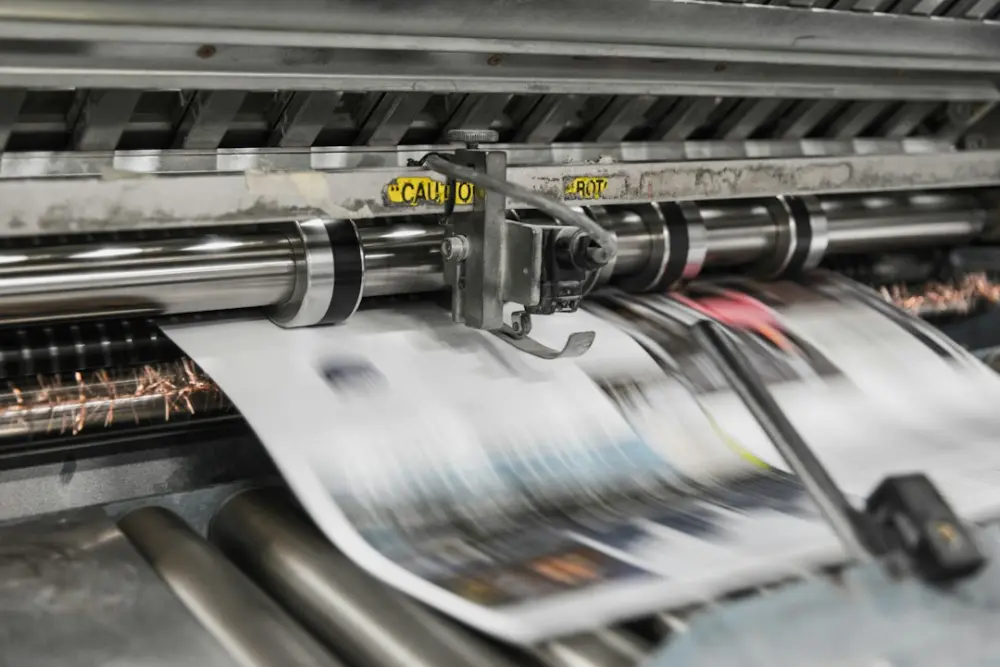
3D print waste reduction is the practice of minimizing discarded material during the additive manufacturing process. It involves optimizing design files…
Read article
Fabrication and design feedback is the collaborative process of reviewing a 3D model or technical drawing to ensure it can be efficiently manufactured. By…
Read articleFAQ
Designers, makers, and teams who want 3D workflows that waste less material and energy—not just greener materials on paper.
Articles focus on principles—design thinking, drawing accuracy, workflow hygiene—that apply across CAD, viz, and print pipelines.
Use the contact form; messages go to the CleanGreen 3D inbox.