Sustainability is rapidly reshaping the world of 3D design, visualization, and manufacturing. As industries move toward environmentally responsible practices, sustainable materials are becoming a key driver of innovation across modern 3D workflows.
From eco-friendly prototyping to responsible product visualization, the shift toward sustainable materials is helping designers reduce waste, improve efficiency, and create more future-focused solutions.
In this article, we explore how sustainable materials are transforming 3D innovation and why they matter for modern design processes.
What Are Sustainable Materials in 3D Design?
Sustainable materials are resources that reduce environmental impact throughout their lifecycle. In 3D innovation, this can include materials used for prototyping, visualization references, manufacturing concepts, and design planning.
Common examples include:
- Recycled plastics
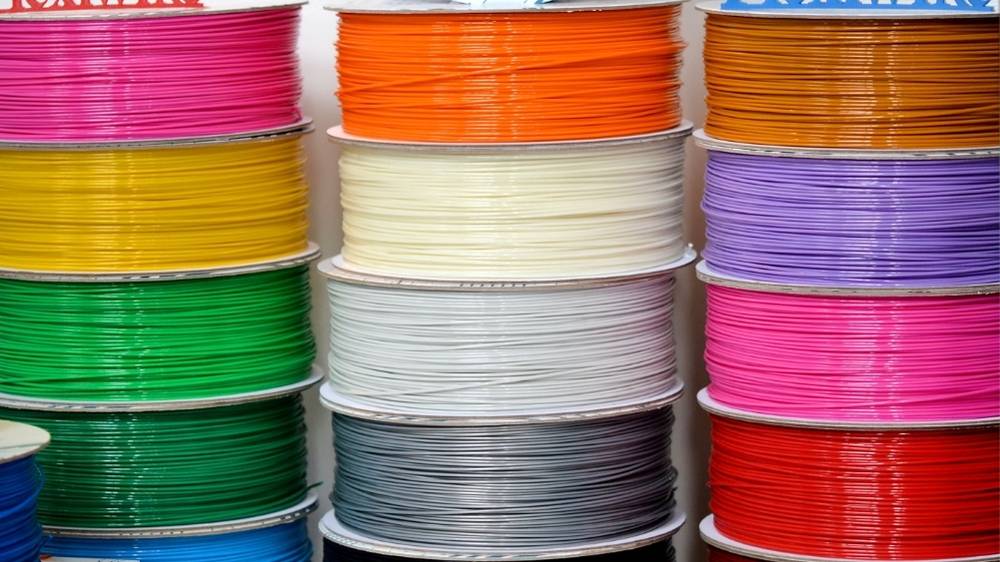
- Biodegradable filaments
- Plant-based materials
- Reclaimed composites
- Low-impact production materials
These options help reduce waste while maintaining performance and flexibility.
The Growing Demand for Sustainable 3D Solutions
As sustainability becomes a priority across industries, designers are expected to consider environmental impact during development.
Key drivers include:
- Environmental regulations
- Corporate sustainability goals
- Consumer demand for eco-friendly products
- Reduced material waste in prototyping
- More efficient production planning
Sustainable materials support all of these objectives.
1. Reducing Waste in Prototyping
Traditional prototyping often involves multiple iterations, which can generate significant material waste.
Sustainable materials allow designers to:
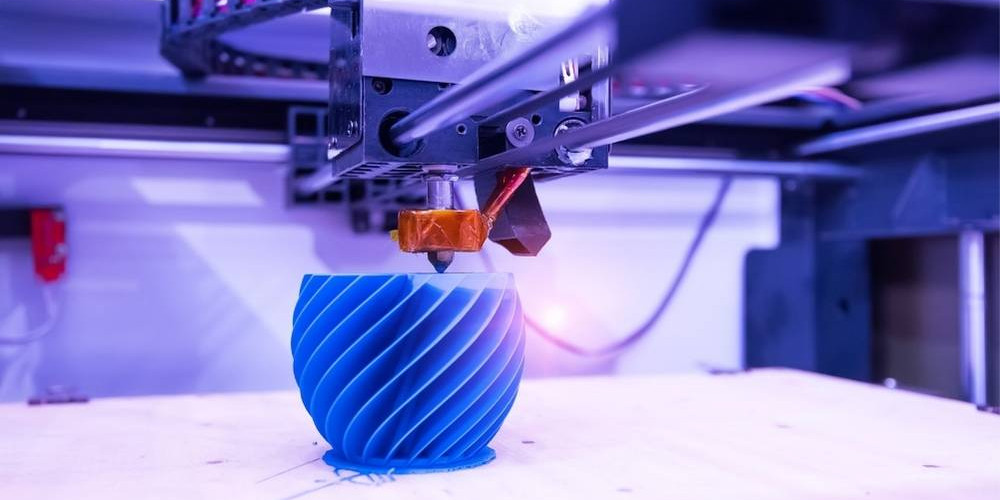
- Use biodegradable prototypes
- Recycle failed prints
- Reduce material consumption
- Test concepts responsibly
This makes the prototyping phase more efficient and environmentally conscious.
2. Enabling Circular Design Thinking
Sustainable materials encourage a circular design approach—where materials are reused, recycled, or repurposed.
This supports:
- Closed-loop production
- Reusable components
- Reduced landfill waste
- Longer material lifecycles
Circular thinking is becoming a core part of modern 3D innovation.
3. Supporting Eco-Friendly Product Development
Designers can now visualize and develop products using materials that reflect sustainable manufacturing goals.
This helps teams:
- Plan environmentally responsible products
- Test sustainable concepts earlier
- Align with sustainability strategies
- Reduce redesign during production
Sustainable materials improve both planning and execution.
4. Improving Efficiency in Design Workflows
Sustainable materials often go hand-in-hand with smarter workflows.
Benefits include:
- Reduced reprints
- Less material waste
- Optimised design testing
- More efficient iterations
These improvements save time while supporting sustainability.
5. Encouraging Innovation in Material Technology
The rise of sustainable materials is driving rapid innovation.
Examples include:
- Bio-based polymers
- Recycled composite materials
- Low-energy manufacturing materials
- Lightweight eco-friendly structures
These advancements expand what’s possible in 3D design.
6. Enhancing Collaboration Across Teams
Sustainability goals often require cross-team collaboration.
Using sustainable materials helps:
- Align designers and engineers
- Support environmental initiatives
- Improve communication with stakeholders
- Demonstrate responsible innovation
This creates a more cohesive design process.
7. Reducing Environmental Impact of Iteration
3D design typically involves multiple revisions. Sustainable materials make iteration less wasteful.
This leads to:
- Lower resource consumption
- Reduced disposal needs
- More responsible experimentation
- Better lifecycle planning
Iteration remains flexible without unnecessary environmental cost.
8. Future-Proofing 3D Design Practices
Sustainability is no longer optional—it’s becoming a standard expectation.
Adopting sustainable materials helps:
- Prepare for future regulations
- Meet client sustainability goals
- Improve brand credibility
- Stay competitive in evolving markets
Forward-thinking teams are already making the shift.
Best Practices for Using Sustainable Materials
To maximize impact, consider these strategies:
- Choose recyclable or biodegradable options
- Minimise material usage through efficient design
- Reuse prototype materials when possible
- Plan iterations carefully
- Combine sustainable materials with efficient workflows
Small improvements can deliver significant results.
Common Mistakes to Avoid
When transitioning to sustainable materials, avoid:
- Using eco-friendly materials without workflow optimisation
- Ignoring lifecycle impact
- Overproducing prototypes
- Not testing material performance
- Treating sustainability as an afterthought
A balanced approach ensures real benefits.
Final Thoughts
Sustainable materials are transforming the future of 3D innovation. By reducing waste, supporting circular design, and encouraging smarter workflows, these materials enable designers to create responsibly without sacrificing quality.
As sustainability continues to shape modern industries, integrating eco-friendly materials into 3D processes is becoming essential. The result is more efficient workflows, reduced environmental impact, and stronger long-term innovation.